THE SAME OPERATION, AGAIN
1 + 1 = 2
1 → 2
Pattern as an anchor.
In first grade, I recited doubles from one on the walk to school each day. Looking back, the repetition was an anchor for self-regulation.
Origins / ongoing reflection / Personal visual essay
A visual reflection on patterns, sensitivity, expression, and the questions that became a design practice.
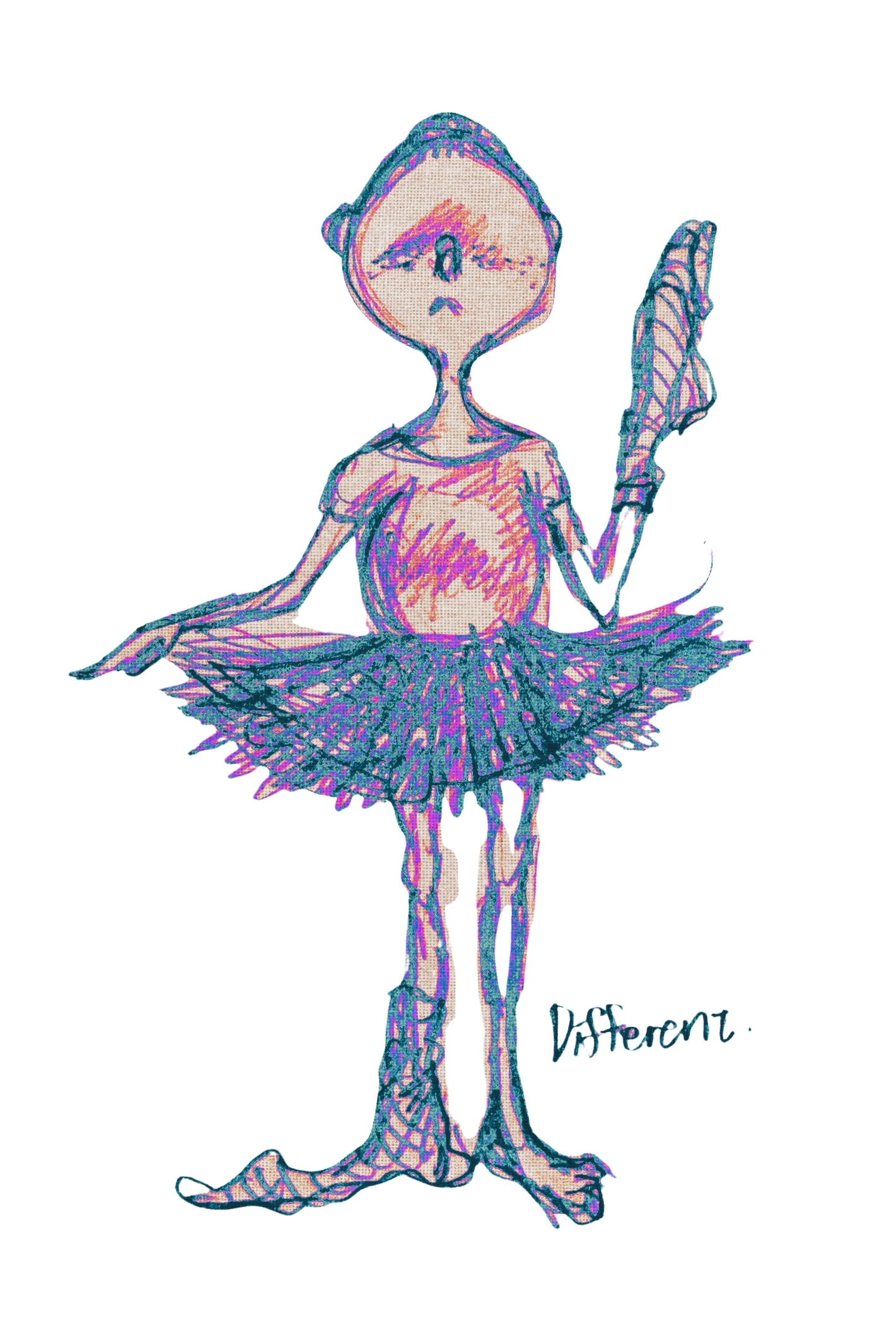
Patterns and drawing helped me make sense of experience. These fragments trace a thread into my design practice.
In first grade, I recited doubles from one on the walk to school each day. Looking back, the repetition was an anchor for self-regulation.
Classroom bells felt physically painful. Crowds, gym echoes, clothing tags, and certain smells could overwhelm me.
When words were difficult, I drew. Ink gave anger and other inner experiences somewhere to go.
Even an A could feel like failure: my internal standard allowed only the top score, so imperfection registered as an error.
“Pain is inevitable,
suffering is optional.”A personal rule adopted in late high school.
For me, this meant not reinforcing the secondary layer around unavoidable pain—a personal reflection on self-regulation.
Design became a way to notice the choices that shape movement, behavior, and relationships.
I continue to explore learning environments, expression, and the assumptions built into everyday systems as a learning experience designer and NYU LTXD student, drawing on earlier work in conceptual design and consulting. Neo-Terakoya is one early direction.
What becomes possible when the conditions make room for a different way of being?
Explore the Neo-Terakoya concept