Pressure to post perfectly.
Polished feed content raises the stakes of sharing.
Make sharing lighter.
A lower-stakes way to participate.
2024 / Teaching & facilitation
A guest lecture connecting human questions, rapid prototypes, and generative AI through design thinking.
 02 / SHARED PRACTICE
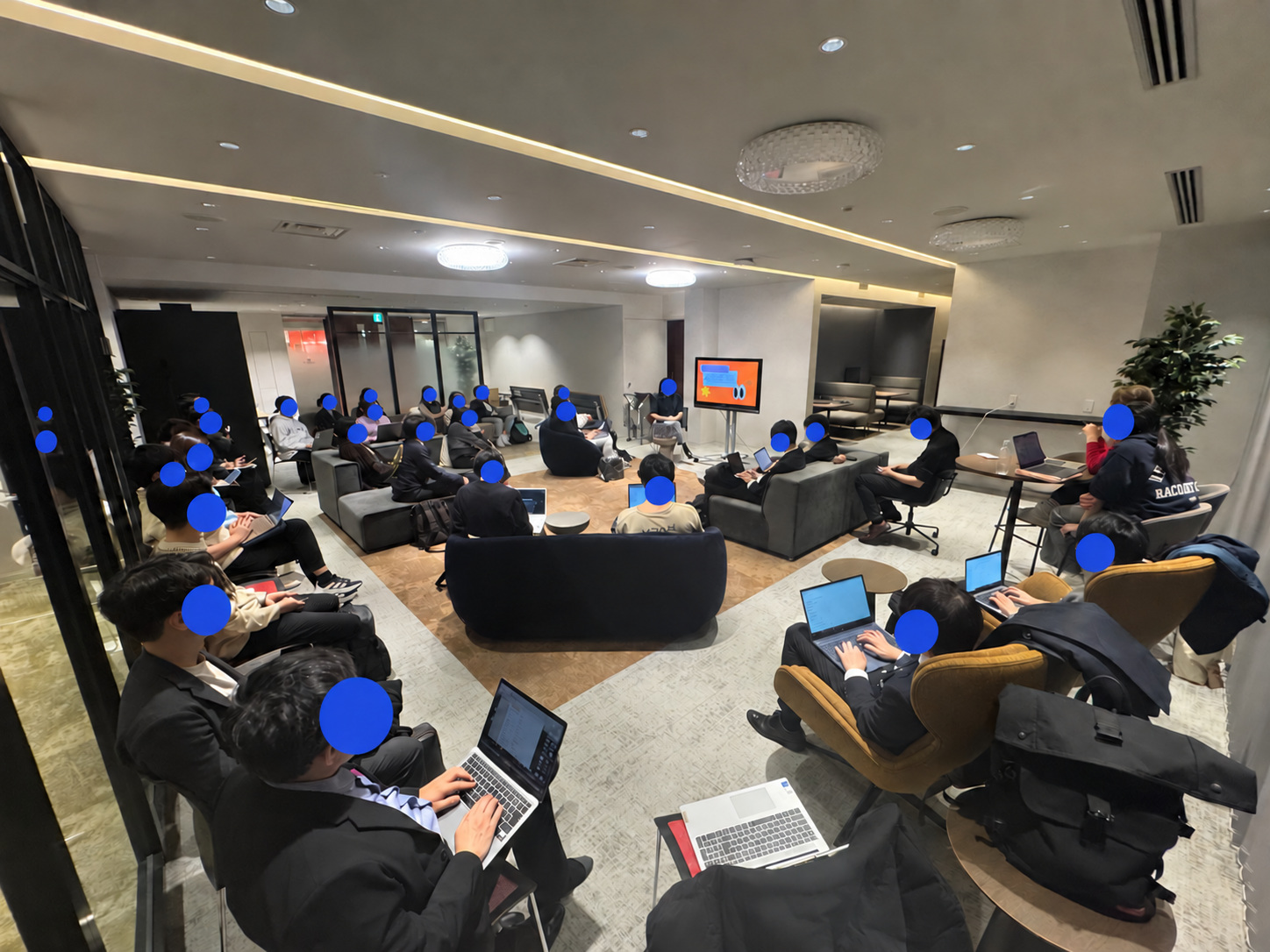
At Keio University, I introduced design thinking through reference cases and a hands-on GenAI persona sprint.
Students turned user needs into a concrete concept, refined it with feedback, and pitched a clear value proposition.
Empathize: begin with people’s needs and the situation around them.
Iteration: Test → Prototype. Use feedback to revise the prototype.
Polished feed content raises the stakes of sharing.
A lower-stakes way to participate.
Unclear wait times, pricing, and service consistency.
Explore the experience through rapid prototypes, iteration, and feedback.
Start with a person and the conditions around the problem.
Question assumptions.
Consider practical constraints.
Only age and student status came from the prompt. The other details are generated assumptions.
“Create a persona for a 21-year-old college student.”
A short request leaves much of the person unspecified.
“I have creative ideas, but no time or skills to visualize them.”
Which details need checking with real people? Which constraints would change the idea?
Mina is an illustrative AI-generated persona, not a research participant. The example is a starting point for discussion.
The aim was richer personas, broader exploration, and faster revision guided by human judgment and practical constraints. No comparative outcome measurements were reported.
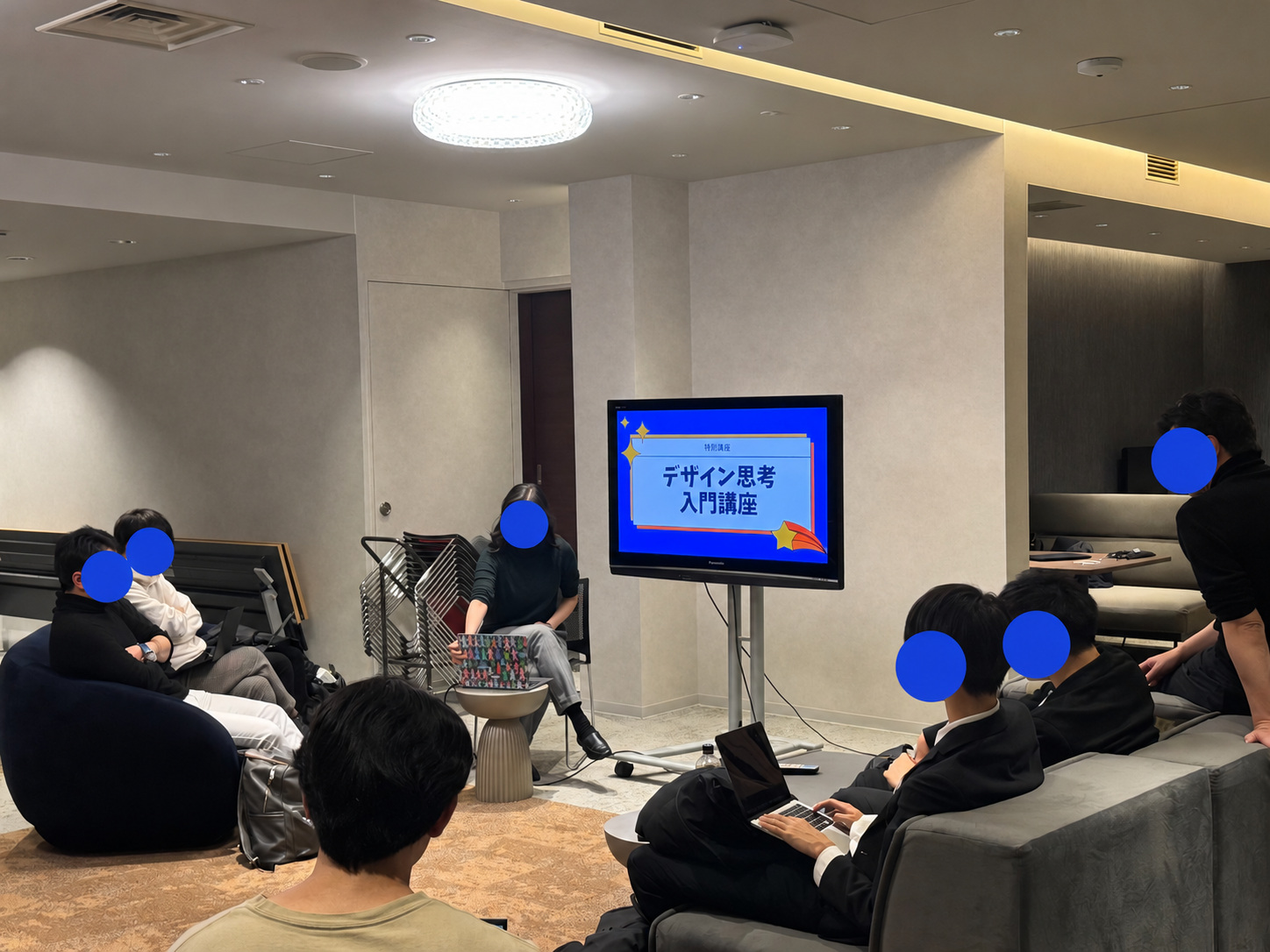
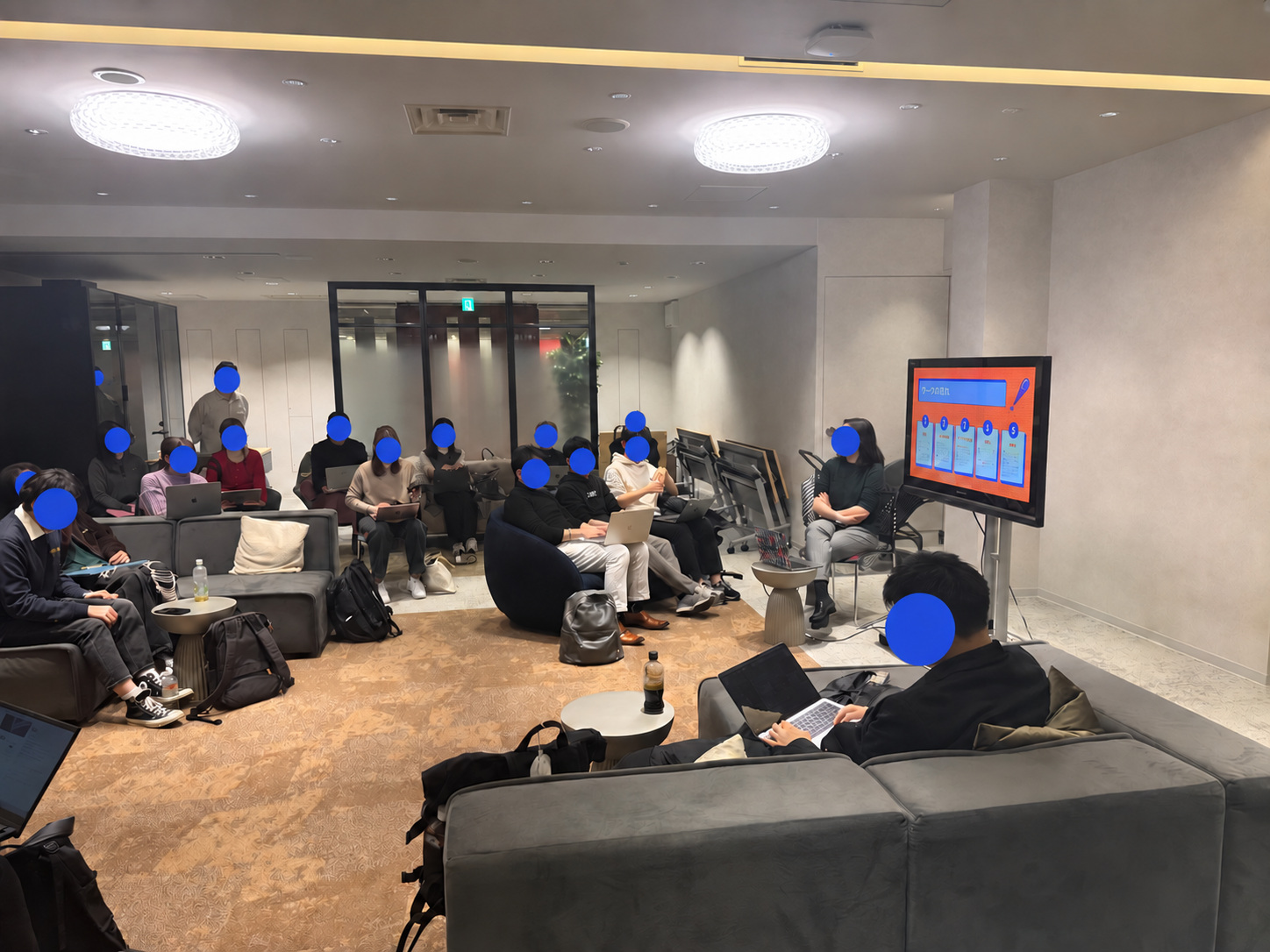
I designed and delivered the lecture, selected reference cases, and guided the hands-on exercise.
How can a short workshop make space for both rapid exploration and careful questioning of the assumptions behind a concept?